
Understanding Electromagnetic Radiation and Electric Fields: Risks and Mitigation Strategies
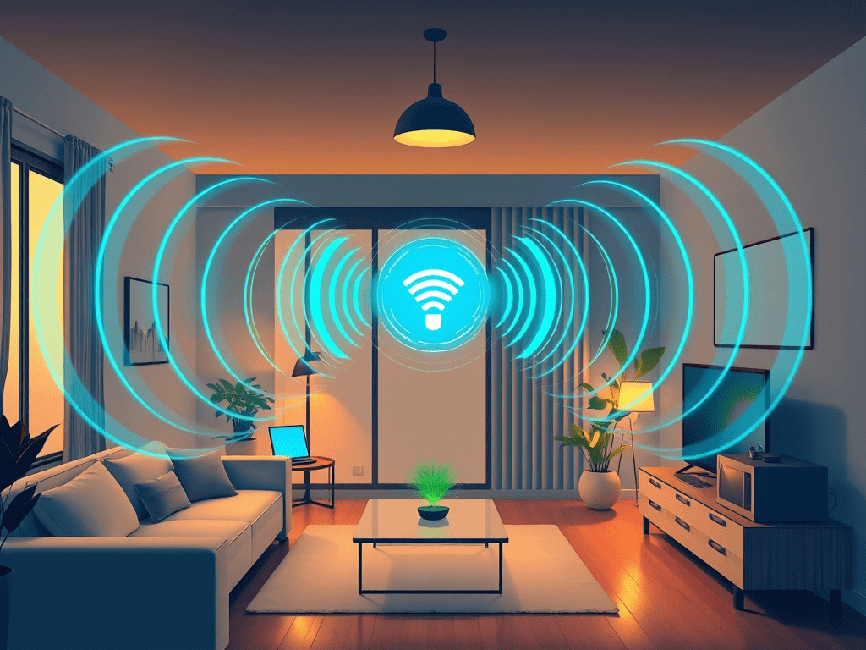
Electromagnetic radiation (EMR) is a form of energy emitted by various sources, both natural and man-made. These include powerlines, electricity meter panels, incorrect electrical wiring systems, WiFi routers, microwaves, induced currents in copper water and gas pipes. EMR encompasses a broad spectrum of frequencies, ranging from low-frequency radio waves to high-frequency gamma rays. When these radiations interact with the human body, they induce waves of energy that may have serious health implications at high/frequent exposure.
Electric fields, a related concept, are created around electrically charged objects and exert forces on other charges. Common sources of electric fields include household wiring, chargers and electronics. While these fields are also invisible, their impact on our environment and health can be profound, especially with prolonged exposure.
The Health Impacts of Electromagnetic Radiation
Research has raised significant concerns about the potential health impacts of high EMR exposure. Among the most alarming findings is the link between EMR and serious health conditions, including cancer and neurological disorders. The International Agency for Research on Cancer (IARC) has classified magnetic fields as a Class 2B carcinogen, placing them in the same category as lead. This classification underscores the potential risks of prolonged or high-level exposure. Children are thought to be especially vulnerable to the effects of EMF radiation. This is believed to be because – on top of the fact that they are obviously still developing and growing – their skulls are much thinner and their brains contain more fluid than an adult’s.

Key findings from studies include:
- 4.0mG (milligauss): Exposure at this level has been linked to doubling the risk of children developing childhood leukemia.
- 1.0mG: Recommended maximum exposure in areas where individuals spend significant amounts of time, such as bedrooms or workspaces.
- 0.2mG: The International Building Biology guidelines suggest this as a safe exposure level for living spaces.
Beyond cancer risks, high EMR exposure has been associated with other health concerns, including sleep disturbances, headaches, nausea, fatigue, depression and cognitive impairments. While the exact mechanisms of these effects are still being studied, the evidence highlights the importance of cautious exposure management.
The Importance of Awareness and Advocacy
While modern technology provides immense convenience and connectivity, it is essential to balance these benefits with an awareness of potential health risks. Governments, researchers, and manufacturers play a critical role in setting safety standards and developing safer technologies. On an individual level, simple changes in habits and home design can significantly reduce EMR exposure and promote better long-term health.
In a world increasingly dominated by electronic and wireless devices, understanding and managing electromagnetic radiation is not just a precaution—it’s a necessity. By taking proactive steps, we can create safer environments for ourselves and our loved ones, ensuring that our homes are both comfortable and health-conscious.

Leave a Reply